
Refik Anadol’s First Monograph Traces The Process And Evolution Of His Digital Art | By Jonathan Bell | Publisher Wallpaper *

Refik Anadol’s First Monograph Traces The Process And Evolution Of His Digital Art / By Jonathan Bell / Publisher Wallpaper * / Editing Press Releases wmwnewsglobal.com
To Witness These Miracles Click Here https://www.wallpaper.com/
LA-based Turkish-American digital artist Refik Anadol is one of a relatively small coterie of practitioners working at scale and with credibility in the Wild West of generative art. Overshadowed by rapid advances in AI image generation, the work of Anadol and his peers has endured thanks to the level of craft, technical skill and engagement with physical space that simply can’t be found in tossed off, machine-made slop.

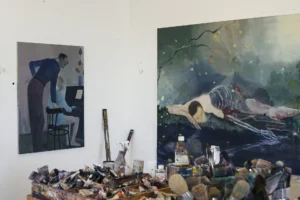
Refik Anadol, a portrait by his partner Efsun Erkılıç
Anadol’s debut installation at his new Dataland museum of AI arts in LA, created with his partner and museum co-founder, fellow artist Efsun Erkılıç, leans heavily into the tropes of dizzying, cascading waterfalls of vivid CGI, but somehow rises above the clichés to create what our reviewer called an ‘omni-sensual experience’.
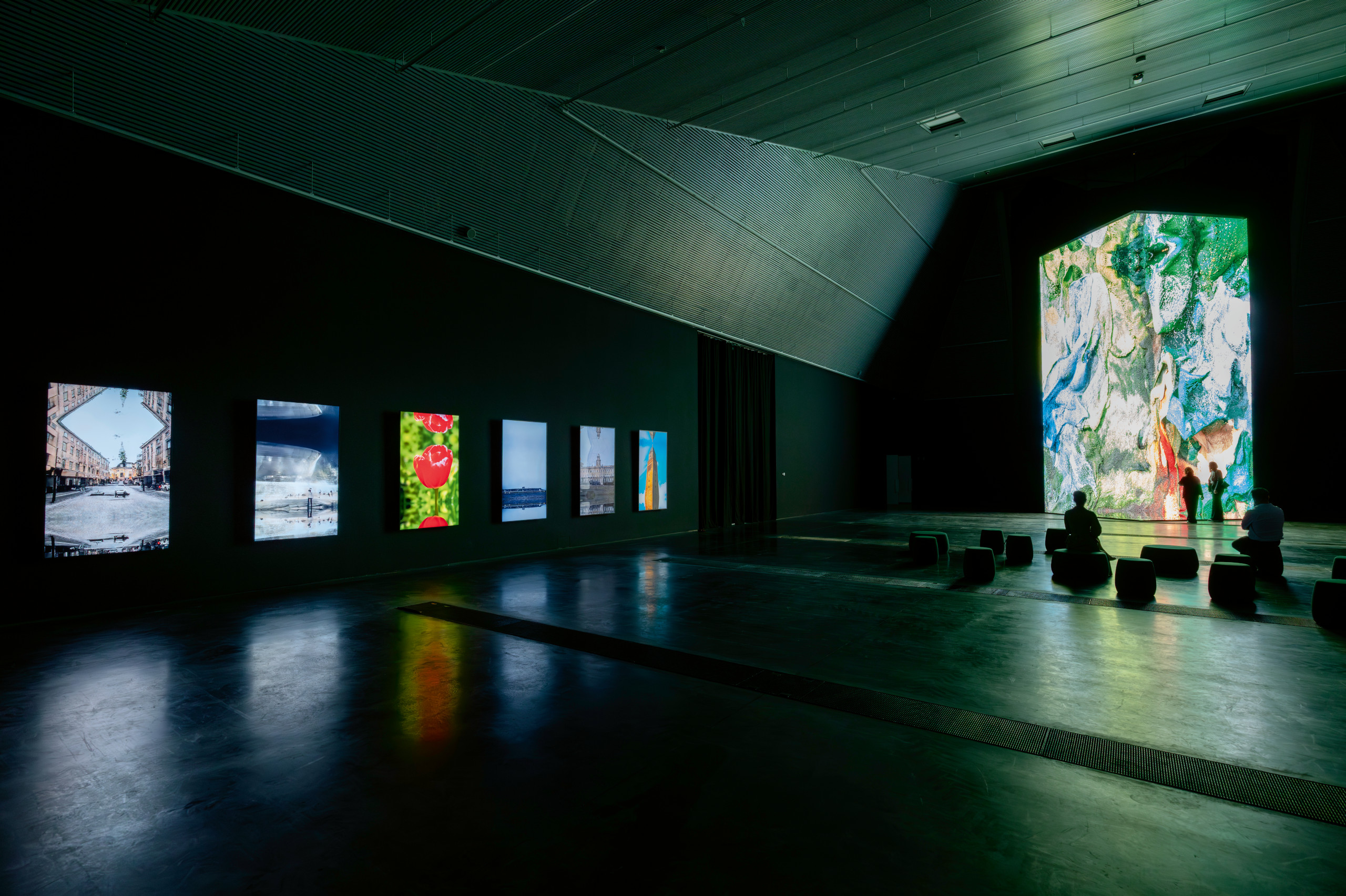
‘Latent City’, Anadol’s exhibition in Bruges
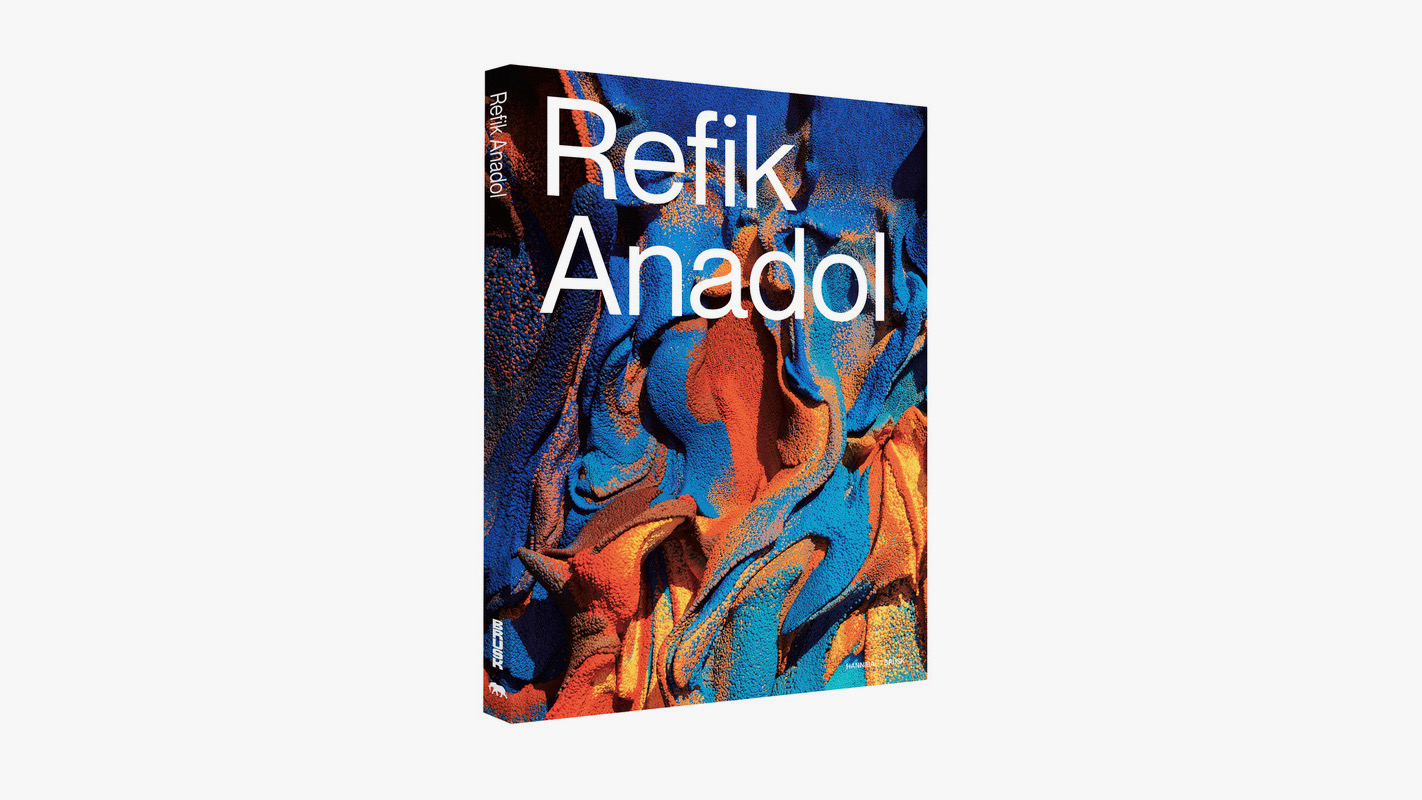
A new book seeks to capture this inherently dynamic artistic vision on the printed page, and accompanies Anadol’s exhibition ‘Latent City’ at Brusk in Bruges (on until 8 November 2026). It goes without saying that Anadol’s work is probably best experienced in person, rather than through a traditional book, such is the importance of movement, flow and the visual representation of data and computation. Aside from having your own in-house installation courtesy of a device like the Layer, taking a trip to Belgium or California is probably the way to go.
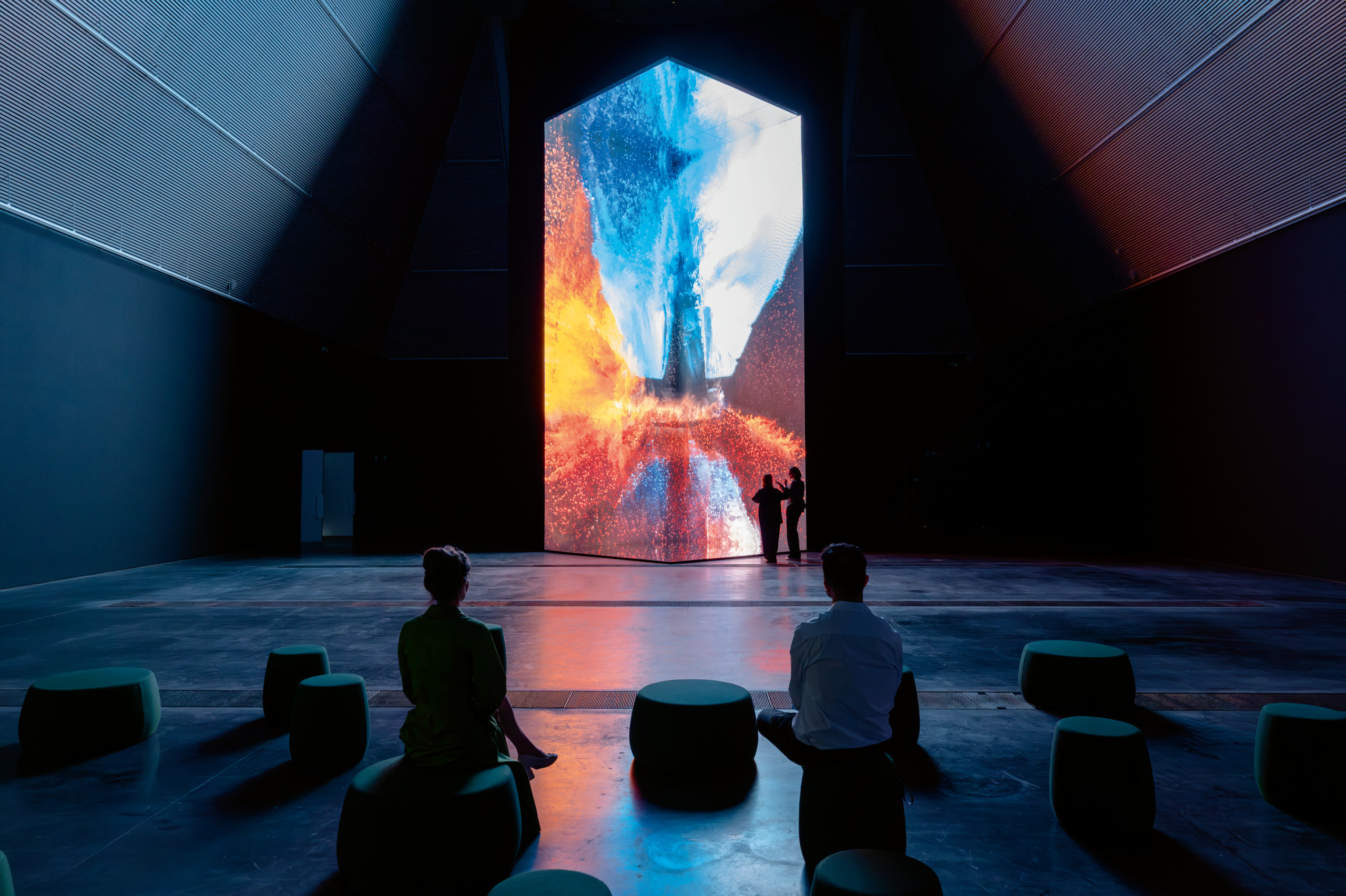
‘Latent City’, Anadol’s exhibition in Bruges
However, the book – Anadol’s first – is an informative journey through his practice and previous work. Although there are plenty of highfaluting soundbites (‘Data is the pigment of our time’), the format does a good job of capturing the rich, painterly textures of what are, after all, dynamic, moving works.
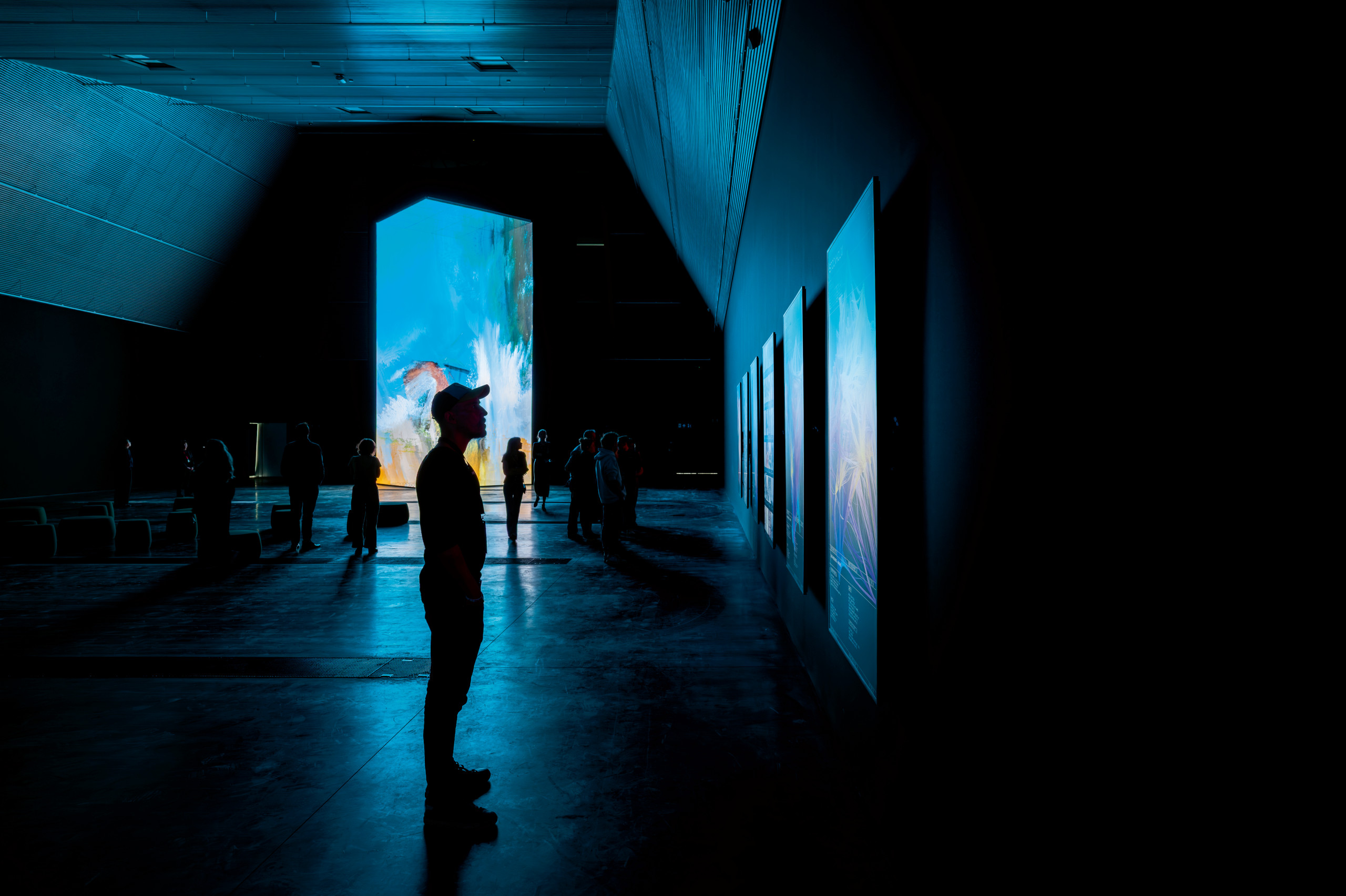
‘Latent City’, Anadol’s exhibition in Bruges
The book also delves into the process of creating the Bruges exhibition, using the city as a canvas, with millions of points of data interpreted, decoded and reshaped by Anadol’s custom AI processes. AI is very much at the forefront of the artist’s practice, unashamedly so, especially as the scale of Anadol’s datasets would be impossible to process without the use of the technology.
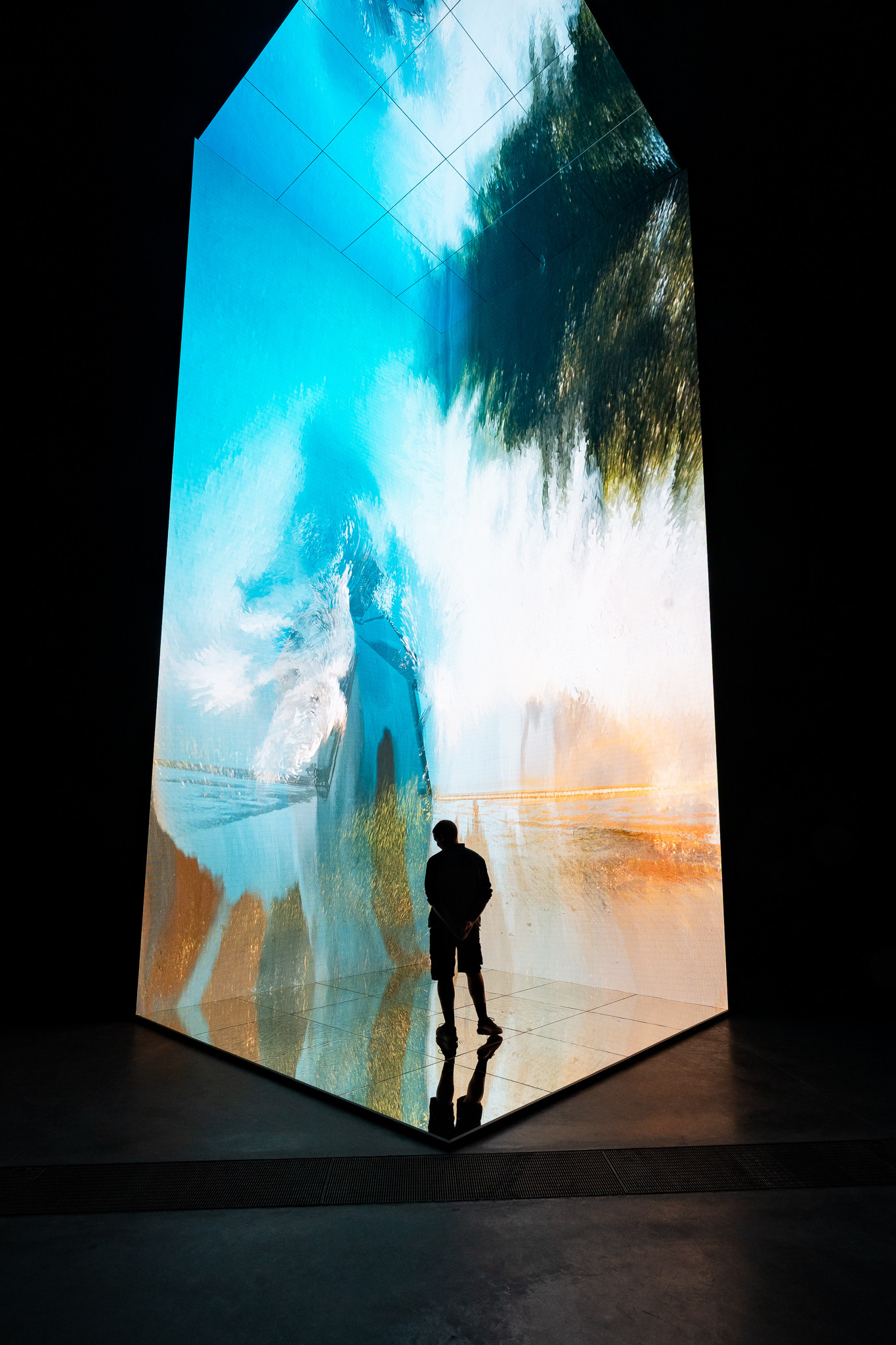
‘Latent City’, Anadol’s exhibition in Bruges
How enduring this form of creativity will prove to be is hard to say, yet by placing his work in a physical format, Anadol has broadened the perception and reach of digital art. For those looking for a primer on the movement, this is a good place to start.
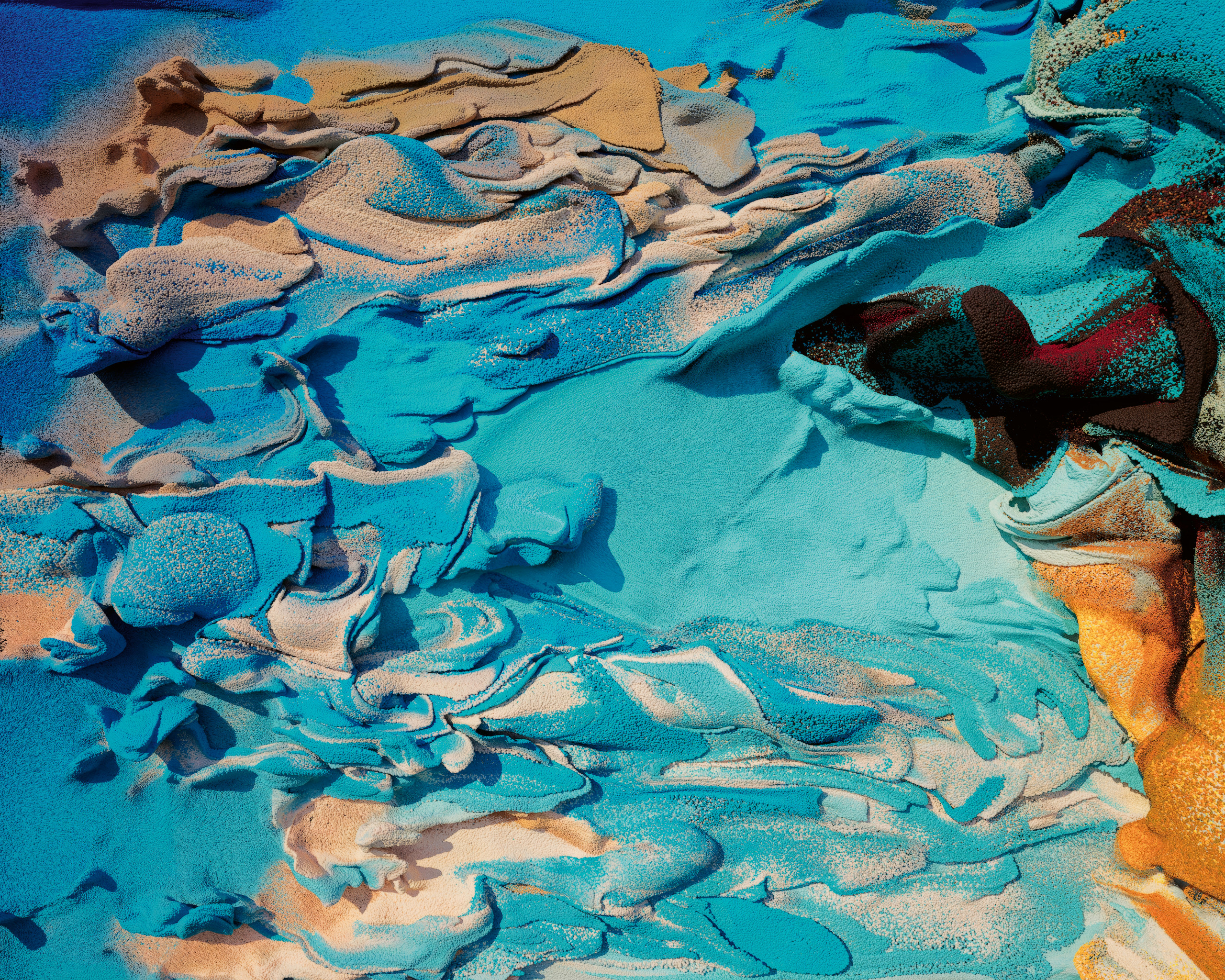
A detail of ‘Latent City’
Refik Anadol, €39.95, Hannibal Books, HannibalBooks.be, RefikAnadol.com, @RefikAnadol, RefikAnadolStudio.com
The exhibition ‘Refik Anadol – Latent City’ runs until 8 November 2026 at Brusk in Bruges, bruskbrugge.be
This news has been rearranged and published with the https://www.wallpaper.com/
press release subscription.

DEAR MANAGEMENT / PRESS & PR TEAM
Kind Regards,