10 Amazing Places in Europe for a Dose of Winter Sun | By Emma Sparks | Publisher Lonely Planet
10 Amazing Places in Europe for a Dose of Winter Sun | By Emma Sparks | Publisher Lonely Planet
Editing Press Releases wmwnewsglobal.com

To Witness These Miracles Click Here https://www.lonelyplanet.com/
Lonely Planet may earn a commission from affiliate links on our site. All recommendations and reviews reflect our own independent opinions.
Winter in Europe can be lovely: bundles of pillowy snow, steaming mulled wine at Christmas markets, the crunching score of ice skates on a frozen canal. But then comes the rain and the biting winds and that extended darkness. Who wouldn’t miss the sun and soul-restoring doses of vitamin D?
Luckily, Europeans don’t have to go far to find some rays even in the darkest months. The continent’s southern reaches provide plenty of blue skies, sunshine and mild (if not quite tropical) temperatures. What’s more, traveling in the low season means accommodations and car rentals can be gloriously inexpensive, while beaches and attractions are wonderfully empty.
Here are the sunniest spots for a European winter vacation. Feel your toes thawing out already?
Looking for help planning your trip? Lonely Planet Journeys pairs you with a local expert who plans every detail – you just book the flights.Get started by messaging us here.
1. The Algarve, Portugal
Best for continuous sunshine

Praia do Amado, near Sagres, Portugal. Pixel to the People/Shutterstock
With more than 300 days of sunshine a year and 86 Blue Flag–rated beaches, the Algarve has become an increasingly popular winter-sun destination. The waterfalls roar back to life in the eucalyptus-filled Serra de Monchique, and migrating birds flock to Parque Natural da Ria Formosa. Even the popular beach at Quinta do Lago is blissfully quiet this time of year. If you can handle sea temperatures of a chilly 14°C (57°F), this is also the season for surfing. Work up an appetite before finding dinner in the whitewashed towns of Faro, Lagos or Tavira.
Rainy-day rescue: The interior of Igreja de São Lourenço de Matos near Loulé is a dream for azulejo lovers. The ornate blue tiles in the church cover almost every inch, floor to ceiling.
2. Turquoise Coast, Türkiye
Best for crystal clear waters
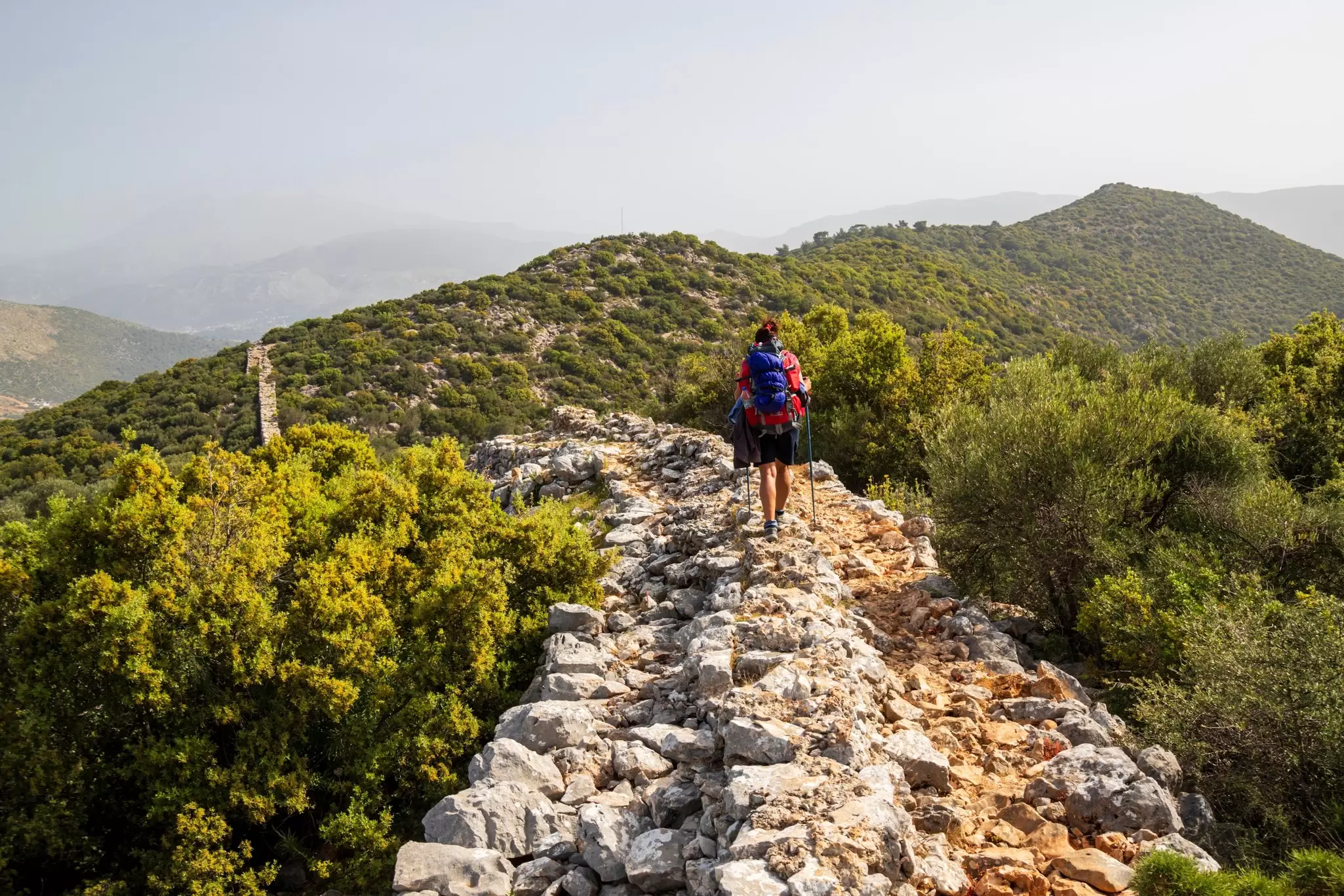
The Delikkemer Waterway on Türkiye’s Lycian Way. Sadet Uslu/Shutterstock
Türkiye’s Turquoise Coast is a tourist magnet in summer – perhaps the famous shade of that water has something to do with it? Yet when the crowds disperse, there’s nothing but you, those views and an average of 10 hours of sunshine a day.
Moderate temperatures mean hiking is nowhere near as sweaty as it would be in August, so why not tackle a bit of the 540km Lycian Way? The route winds between Fethiye and Antalya, passing countless ancient ruins and clifftop wonders along the way, including the ruins at Kayaköy, ancient Patara and the (mostly) sunken city of Simena.
Rainy-day rescue: Warm up, give your legs a rest and enjoy a treatment at a hammam, found in most major towns.
3. Malta
Best for countryside, culture and history

Gozo Island, Malta. Radkins/Shutterstock
Malta can be scorching in the summer. So the cooler days of winter, when temperatures rarely dip below 10°C (50°F), are ideal for exploring this Mediterranean island nation. Rock climbing and hiking are particularly pleasant in the low season (November to March), as the rural landscape is at its greenest. Culture and history buffs should visit Mnajdra Temples in good weather. Come February, the Maltese Carnival brings parades and late-night parties galore.
Rainy-day rescue: If you need to seek shelter from a shower, the gilded baroque interior of St John’s Co-Cathedral in UNESCO-listed Valletta always shines.
4. Sicily, Italy
Best for fresh produce

Market stands in Palermo, Italy. Littleloam/Shutterstock
Magical Sicily is full of color in winter. Citrus trees are heavy with ripening oranges, lemons and limes. Market stalls in Catania and Palermo creak under the weight of fresh vegetables, fish and seasonal walnuts.
And all over the island, locals are preparing for Carnevale – the island’s most famous celebration, Carnevale Acireale, takes place from the end of January to mid-February. While the weather can change at the drop of a blood orange, 8 hours of sunshine a day and average highs reaching double those in London make it worth taking your chances.
Rainy-day rescue: Villa Romana del Casale is home to the most significant collection of Roman floor mosaics in the world, and a wooden roof protects them (and you) from the elements.
5. Cyprus
Best for the warmest Mediterranean winter

Protaras, Cyprus. Michalakis Ppalis/Shutterstock
At the continent’s southeastern edge in the Mediterranean, Cyprus is your best bet for warmth during the winter in Europe, with more than 340 days of sunshine a year.
While snow glitters on the peaks of the Troödos Mountains, coastal areas, particularly in the east, stay warmer and drier. Stay in Larnaka to spot flamingos dancing around their winter home on the nearby salt lake before heading west to explore historic treasures like the 3rd-century BCE Tombs of the Kings and ancient Kourion.
Rainy-day rescue: Spend a wet afternoon among the artifacts of the Cyprus Museum in Nicosia, or find a cozy taverna for a leisurely Cypriot-style lunch.
6. Seville, Spain
Best for Mudéjar-style architecture

The Metropol Parasol in Seville, Spain. Right Perspective Images/Shutterstock
If you fancy a fair-weather winter city break, look no further than Seville. Temperatures can rise to 17°C (63°F), with at least 6 hours of sunshine a day (though packing an umbrella is always wise). Top sights like the Plaza de Espana and the Real Alcázar feature indoor and outdoor areas, allowing you to bask in the sunshine and hide from a passing shower. Finish a sunny day of sightseeing in the low season with a sunset stroll through the modern Metropol Parasol, known locally as Las Setas (meaning “the Mushrooms”).
Rainy-day rescue: Tour Seville’s stunning cathedral, or stamp, tap and shimmy through the Museo del Baile Flamenco, where you can also arrange a dance lesson or watch pros perform.
7. Canary Islands, Spain
Best for hidden coves and kites

The International Kite Festival in Fuerteventura, Spain. imv/Getty Images
Want sand dunes and hidden coves? Volcanic national parks and forested mountains? How about colorful villages, tempting restaurants and water sports galore? It’s all here, all year. Tenerife and Gran Canaria are generally the warmest of the Canary Islands in winter, with highs around 22°C (71°F).
Lanzarote and Fuerteventura can be a little windy – which isn’t necessarily a bad thing if you’re heading there to surf or take part in the latter’s annual kite festival. Lesser-known La Gomera, La Palma and El Hierro will feel even more off the radar than usual in winter, though they will have (you guessed it) plenty of sun.
Rainy-day rescue: Let the weather slow you down: book an appointment at one of the islands’ many spas for a massage, followed by a trip
to a vineyard or bar to taste local wines.

8. Madeira, Portugal
Best for an eternal spring
Mild winters are standard in Madeira, a Portuguese archipelago some 498km north of the Canary Islands. Temperatures rarely drop below 14°C (57°F) here, which is why the climate is always described as an eternal spring. Beaches are rocky, but the sea is warm, so don’t forget to pack swimsuits.
Or stay above the waves by joining a dolphin- and whale-watching tour. If you prefer dry land, Madeira’s rugged interior is ideal for hiking. Follow a trail along a levada. This ancient network of channels distributed water around the island for over a century; these days, they are sources of hydropower.
Rainy-day rescue: Relax with afternoon tea while watching the rain fall at the deluxe Belmond Reid’s Palace in Funchal.
9. Balearic Islands, Spain
Best for epic beaches and peerless sunsets

Moll des Cales Fonts near Maó in Menorca, Spain. Rudi_Lange/Getty Images
Adored by summer vacationers, these Spanish islands are just as lovable come winter. Ibiza’s pumping beats and party crowds will have left, but the epic sunsets and beaches remain.
Culture-packed Mallorca, meanwhile, is quieter and less expensive. Lesser-visited Menorca lures nature fans with decent walking weather for tackling the Camí de Cavalls coastal path, while tiny Formentera beckons those who want total seclusion.
Rainy-day rescue: If you’re going to get wet, you may as well go diving. Relatively mild sea temperatures allow for diving around the Balearics’ caverns and shipwrecks year-round.
10. Crete, Greece
Best for having deserted resort towns all to yourself

Matala in Crete, Greece. Lies Ouwerkerk/Shutterstock
In the winter low season, you likely need to reach Crete via Athens, and although most resort towns will be all but deserted, basing yourself in the cities of Iraklio or Hania will give you a sense of low-season life.
Numerous restaurants and bars remain open in both, and they’re equally good spots for snagging a low-priced car rental to explore the island. On sunny days, you might find you have the pink-tinged sands of Elafonisi or the Palace of Knossos all to yourself. Temperatures can reach highs of 16°C (61°F) in January, but the nights are much colder, so pack layers. Still chilly? An evening with a bottle of local raki (a distilled spirit) should warm you up.
Rainy-day rescue: Uncover 5 millennia of history at the Heraklion Archaeological Museum, one of the best museums in all of Greece.

Guide Best in Travel 2026
DEAR MANAGEMENT / PRESS & PR TEAM
Kind Regards,