LLM REPORTERS LUXURYLIFESTYLE MAG Private Aviation is Shifting Towards Health-Focused Dining | By LLM Reporters | Publisher Luxurylifestylemag JANBOLAT KHANAT October 24, 2026 0 [forminator_form id=”6037″]Private Aviation is Shifting Towards Health-Focused Dining | By LLM Reporters | Publisher LuxurylifestylemagEditing Press Releases wmwnewsglobal.comTo Witness These Miracles Click Here https://www.luxurylifestylemag.co.uk/SkyDine Jet Catering shares how changing passenger preferences, specialised dietary requirements, and complex aviation logistics are reshaping the private jet dining experience.Private aviation has always been about personalisation – passengers can choose when they fly, where they depart, the type of aircraft, and even the food they want while aboard.However, a lot has changed recently when it comes to food. The idea of a healthy meal – typically consisting of a salad, grilled protein, or fruit platter – has become outdated, and nowadays, health-focused meals may mean anything from keto or low-carb to high-protein, low-sodium, plant-based, and portion-controlled meals. At the same time, caterers have to deal with passengers’ allergies, intolerances, and religious diets.Passenger expectations are shifting in the direction of a high-end restaurant – a meal that is prepared specifically for them. But to deliver that at 40,000 feet, airlines need an entirely different kind of logistics.Health-focused does not mean the same thing to everyoneOne major trend in premium dining is the shift away from a universal definition of healthy food.Passengers now have their own nutrition preferences and routines, and most are not willing to give up their habits because of travel. For one passenger, it may be eggs, avocado, and berries; for another, it may be a strictly low-carbohydrate meal.Thus, the main challenge for private aviation caterers is understanding not only what a healthy meal is, but what it means for a particular passenger. In other words, they have to be aware of the preferences and dietary restrictions of their passengers, and in the private aviation industry it may be quite easy, as passengers tend to fly regularly and, thus, they usually have their own routines and preferences, which can be used when preparing menus for them. Passenger expectations are shifting in the direction of a high-end restaurant – a meal that is prepared specifically for themFrom dietary preference to dietary requirementThere is also a huge difference between passenger preferences and necessities.A passenger who asks for a low-carbohydrate meal may simply want to stick to their usual diet, while a passenger with an allergy requires specific precautions for the meals they receive. At the same time, passengers may have dietary restrictions connected to their religion.Therefore, the catering company should clearly understand what a passenger actually wants when they tell the caterers they need specific food.In modern reality, the catering process depends heavily on communication with the passenger. If the caterer gets an order that says, “healthy food”, they get relatively little information. However, an order that contains all the information on dietary requirements, restrictions, and preferences and explains what kind of food passengers would like to have, gives them a much better understanding of the order.A Michelin-star mindset at 40,000 feetExpectations around private aviation catering increasingly resemble those common in restaurants and hotels. However, aircraft catering has constraints that restaurants don’t.Usually, meals are prepared on the ground, delivered to the airport, cleared through security, loaded onto the aircraft, and stored until service. Depending on the aircraft type and the meal, some items must be reheated in the aircraft galley.Therefore, temperature, texture, and presentation should remain consistent after all these procedures.Private aviation catering aims to create a restaurant experience through the aviation supply chain.Designing food for the aircraft environmentGood private aviation catering starts with knowledge of both the menu and the aircraft.Galley equipment may differ significantly, and it influences the products. Available refrigeration, ovens, storage, serving equipment, and preparation surfaces may change the approach to menu preparation. The menu for a large-cabin business jet is different from the menu for smaller aircraft.Flight duration is also critical: food prepared for a short domestic flight will be consumed quickly, while catering for a long-range international flight must remain in proper condition throughout the journey.It is where menu design becomes critical. A great menu not only sounds impressive in the order but also travels well, stores safely, is easy to prepare or plate, and tastes as it should.In health-focused dining, freshness plays an even bigger role, since passengers who choose healthier meals expect food made with fresh vegetables, fruits, seafood, lean proteins, and minimally processed products. Therefore, catering should pay special attention to that.Expectations around private aviation catering increasingly resemble those common in restaurants and hotelsThe flight attendant is the final linkFlight attendants play a crucial role in translating the caterer’s work into the onboard dining experience.Clear preparation instructions can significantly improve the food-serving process, especially when several passengers have different meals or dietary requirements. At the same time, packaging and labeling should indicate which passenger will eat the meal and whether it needs special handling.But it becomes even more complicated when several passengers have different requirements – one of them needs a keto meal, another one halal food, and another one has an allergy. At the same time, there may be children on board who have completely different tastes.Therefore, cabin crew should be able to distinguish, prepare, and serve each meal appropriately without complicating the aircraft galley.The best catering considers not only the passenger eating the food but also the person serving it.Last-minute changes remain part of the challengeFlexibility is what private aviation is all about, and catering should be flexible as well.Departure times may change, passenger numbers may increase unexpectedly, aircraft may be repositioned to another airport, or passengers may request last-minute menu changes.But with specialised catering, last-minute adjustments are harder to accommodate. While it is easy to prepare a sandwich for the passenger at the last moment, sourcing certified kosher or halal meals, accommodating allergies, or preparing a highly specified menu becomes much more complicated.It also depends on the location, since a larger destination will offer a much wider range of ingredients and specialists for meal preparation than a smaller one.That is why detailed information matters: the more specialised the request, the more time the caterer needs to source ingredients, confirm requirements, and coordinate delivery to the aircraft.The broader shift towards health-focused dining reflects something larger happening across luxury travelLuxury is becoming more personalThe broader shift towards health-focused dining reflects something larger happening across luxury travel.Today, the luxury experience is becoming more personalised, as passengers prefer something that suits them best rather than expensive, impressive food that doesn’t fit their preferences. In private aviation, this is natural, as it is about personalisation, flexibility, and control over the experience.However, it also creates challenges for the catering industry, as increased personalisation means increased complexity.Behind the seemingly simple request may be ingredient sourcing, specialised preparation, dietary verification, airport access, security procedures, temperature control, transportation, aircraft storage, and, finally, preparation by the cabin crew.Passengers should not need to see that complexity. Ideally, they simply receive the meal they wanted.The next stage of private jet diningHealth-focused private aviation catering is therefore unlikely to develop around one particular diet or food trend. Keto may be important to one passenger, plant-based dining to another, and halal or kosher requirements to someone else. Preferences will continue to evolve.For SkyDine Jet Catering, this means passengers are not only ordering meals from the menu; they also bring their preferences, dietary habits, and requirements onboard.To offer passengers something similar to a Michelin-star dining experience in the air, it is not enough to provide premium ingredients or impressive presentations. It is necessary to ensure everything is in order, so passengers receive what they asked for.When that process runs smoothly, the complexity stays behind the scenes. What reaches the passenger is much simpler: a meal that feels as though it was made specifically for them.DEAR MANAGEMENT / PRESS & PR TEAMWe are honored to cover such a magnificent event and to bring it to the headlines through our offices in New York, Almaty, and Istanbul, as well as our social media support.If you can send the press releases and the logos currently in use, we will publish them immediately. Thank you very much.Kind Regards,www.wmwnewsglobal.comSEDAT KARAGÖZ INTERNATIONAL LUXURY TRAVEL EDITORsedatkaragoz@wmwnewsglobal.comhttps://wmwnewsglobal.com/contact-us-who-we-are-istanbul-new-york-almaty-atlanta-berlin/[forminator_form id=”6037″]Tags: #Private Aviation is Shifting Towards Health-Focused DiningPost navigationPrevious: How Motorhomes Shed Their Outdated image And Became A Luxury Travel Choice | By LLM Reporters | Publisher LuxurylifestylemagNext: 10 Best Places To Visit in Nowember 2026 | Lonely Planet Editors | Publisher Lonely Planet More Stories BALDVIN HO LUXURYLIFESTYLE MAG How Motorhomes Shed Their Outdated image And Became A Luxury Travel Choice | By LLM Reporters | Publisher Luxurylifestylemag JANBOLAT KHANAT October 24, 2026 0 BALDVIN HO LUXURYLIFESTYLE MAG Experience The Golden Age Of Sail With Star Clippers | By Baldwin Ho | Publisher Luxurylifestylemag JANBOLAT KHANAT October 24, 2026 0 LUXURYLIFESTYLE MAG The Ritz-Carlton New York, NoMad, Manhattan, New York City in the USA | By Georgie Bentley-Buckle | Publisher Luxurylifestylemag JANBOLAT KHANAT October 22, 2026 0 Leave a Reply Cancel replyYou must be logged in to post a comment.
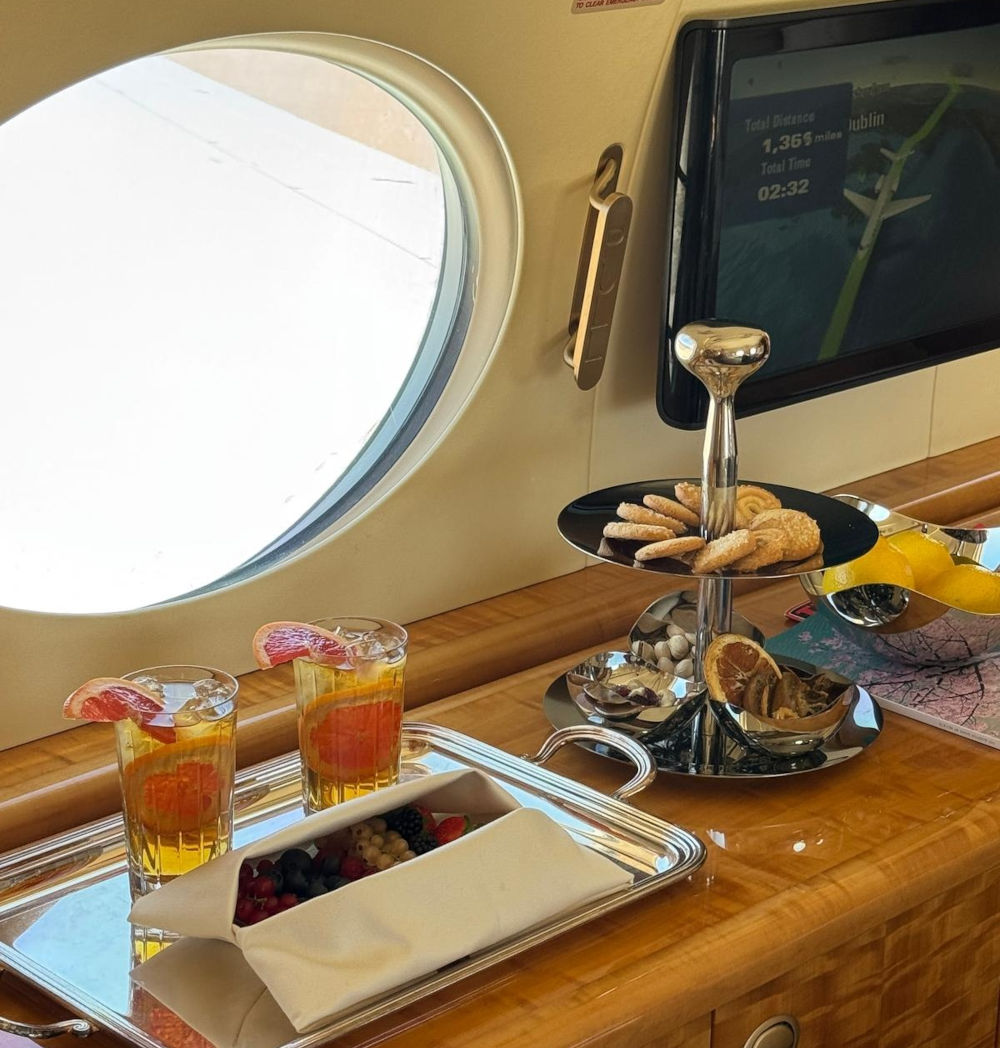
SkyDine Jet Catering shares how changing passenger preferences, specialised dietary requirements, and complex aviation logistics are reshaping the private jet dining experience.Private aviation has always been about personalisation – passengers can choose when they fly, where they depart, the type of aircraft, and even the food they want while aboard.However, a lot has changed recently when it comes to food. The idea of a healthy meal – typically consisting of a salad, grilled protein, or fruit platter – has become outdated, and nowadays, health-focused meals may mean anything from keto or low-carb to high-protein, low-sodium, plant-based, and portion-controlled meals. At the same time, caterers have to deal with passengers’ allergies, intolerances, and religious diets.Passenger expectations are shifting in the direction of a high-end restaurant – a meal that is prepared specifically for them. But to deliver that at 40,000 feet, airlines need an entirely different kind of logistics.Health-focused does not mean the same thing to everyoneOne major trend in premium dining is the shift away from a universal definition of healthy food.Passengers now have their own nutrition preferences and routines, and most are not willing to give up their habits because of travel. For one passenger, it may be eggs, avocado, and berries; for another, it may be a strictly low-carbohydrate meal.Thus, the main challenge for private aviation caterers is understanding not only what a healthy meal is, but what it means for a particular passenger. In other words, they have to be aware of the preferences and dietary restrictions of their passengers, and in the private aviation industry it may be quite easy, as passengers tend to fly regularly and, thus, they usually have their own routines and preferences, which can be used when preparing menus for them. Passenger expectations are shifting in the direction of a high-end restaurant – a meal that is prepared specifically for themFrom dietary preference to dietary requirementThere is also a huge difference between passenger preferences and necessities.A passenger who asks for a low-carbohydrate meal may simply want to stick to their usual diet, while a passenger with an allergy requires specific precautions for the meals they receive. At the same time, passengers may have dietary restrictions connected to their religion.Therefore, the catering company should clearly understand what a passenger actually wants when they tell the caterers they need specific food.In modern reality, the catering process depends heavily on communication with the passenger. If the caterer gets an order that says, “healthy food”, they get relatively little information. However, an order that contains all the information on dietary requirements, restrictions, and preferences and explains what kind of food passengers would like to have, gives them a much better understanding of the order.A Michelin-star mindset at 40,000 feetExpectations around private aviation catering increasingly resemble those common in restaurants and hotels. However, aircraft catering has constraints that restaurants don’t.Usually, meals are prepared on the ground, delivered to the airport, cleared through security, loaded onto the aircraft, and stored until service. Depending on the aircraft type and the meal, some items must be reheated in the aircraft galley.Therefore, temperature, texture, and presentation should remain consistent after all these procedures.Private aviation catering aims to create a restaurant experience through the aviation supply chain.Designing food for the aircraft environmentGood private aviation catering starts with knowledge of both the menu and the aircraft.Galley equipment may differ significantly, and it influences the products. Available refrigeration, ovens, storage, serving equipment, and preparation surfaces may change the approach to menu preparation. The menu for a large-cabin business jet is different from the menu for smaller aircraft.Flight duration is also critical: food prepared for a short domestic flight will be consumed quickly, while catering for a long-range international flight must remain in proper condition throughout the journey.It is where menu design becomes critical. A great menu not only sounds impressive in the order but also travels well, stores safely, is easy to prepare or plate, and tastes as it should.In health-focused dining, freshness plays an even bigger role, since passengers who choose healthier meals expect food made with fresh vegetables, fruits, seafood, lean proteins, and minimally processed products. Therefore, catering should pay special attention to that.Expectations around private aviation catering increasingly resemble those common in restaurants and hotelsThe flight attendant is the final linkFlight attendants play a crucial role in translating the caterer’s work into the onboard dining experience.Clear preparation instructions can significantly improve the food-serving process, especially when several passengers have different meals or dietary requirements. At the same time, packaging and labeling should indicate which passenger will eat the meal and whether it needs special handling.But it becomes even more complicated when several passengers have different requirements – one of them needs a keto meal, another one halal food, and another one has an allergy. At the same time, there may be children on board who have completely different tastes.Therefore, cabin crew should be able to distinguish, prepare, and serve each meal appropriately without complicating the aircraft galley.The best catering considers not only the passenger eating the food but also the person serving it.Last-minute changes remain part of the challengeFlexibility is what private aviation is all about, and catering should be flexible as well.Departure times may change, passenger numbers may increase unexpectedly, aircraft may be repositioned to another airport, or passengers may request last-minute menu changes.But with specialised catering, last-minute adjustments are harder to accommodate. While it is easy to prepare a sandwich for the passenger at the last moment, sourcing certified kosher or halal meals, accommodating allergies, or preparing a highly specified menu becomes much more complicated.It also depends on the location, since a larger destination will offer a much wider range of ingredients and specialists for meal preparation than a smaller one.That is why detailed information matters: the more specialised the request, the more time the caterer needs to source ingredients, confirm requirements, and coordinate delivery to the aircraft.The broader shift towards health-focused dining reflects something larger happening across luxury travelLuxury is becoming more personalThe broader shift towards health-focused dining reflects something larger happening across luxury travel.Today, the luxury experience is becoming more personalised, as passengers prefer something that suits them best rather than expensive, impressive food that doesn’t fit their preferences. In private aviation, this is natural, as it is about personalisation, flexibility, and control over the experience.However, it also creates challenges for the catering industry, as increased personalisation means increased complexity.Behind the seemingly simple request may be ingredient sourcing, specialised preparation, dietary verification, airport access, security procedures, temperature control, transportation, aircraft storage, and, finally, preparation by the cabin crew.Passengers should not need to see that complexity. Ideally, they simply receive the meal they wanted.The next stage of private jet diningHealth-focused private aviation catering is therefore unlikely to develop around one particular diet or food trend. Keto may be important to one passenger, plant-based dining to another, and halal or kosher requirements to someone else. Preferences will continue to evolve.For SkyDine Jet Catering, this means passengers are not only ordering meals from the menu; they also bring their preferences, dietary habits, and requirements onboard.To offer passengers something similar to a Michelin-star dining experience in the air, it is not enough to provide premium ingredients or impressive presentations. It is necessary to ensure everything is in order, so passengers receive what they asked for.When that process runs smoothly, the complexity stays behind the scenes. What reaches the passenger is much simpler: a meal that feels as though it was made specifically for them.DEAR MANAGEMENT / PRESS & PR TEAMWe are honored to cover such a magnificent event and to bring it to the headlines through our offices in New York, Almaty, and Istanbul, as well as our social media support.If you can send the press releases and the logos currently in use, we will publish them immediately. Thank you very much.Kind Regards,www.wmwnewsglobal.comSEDAT KARAGÖZ INTERNATIONAL LUXURY TRAVEL EDITORsedatkaragoz@wmwnewsglobal.comhttps://wmwnewsglobal.com/contact-us-who-we-are-istanbul-new-york-almaty-atlanta-berlin/[forminator_form id=”6037″]