













Recommendations For September 2026 With ANN DOUGLAS LOTT / 16 Things To Know Before Visiting Costa Rica/ By Sarah Gilbert / Publisher Lonely Planet


Recommendations For September 2026 With ANN DOUGLAS LOTT / 16 Things To Know Before Visiting Costa Rica/ By Sarah Gilbert / Publisher Lonely Planet / Editing Press Releases wmwnewsglobal.com

To Witness These Miracles Click Here https://www.lonelyplanet.com/
16 things to know before visiting Costa Rica
Espadilla Beach, Costa Rica. David Cabrera for Lonely Planet

Lonely Planet may earn a commission from affiliate links on our site. All recommendations and reviews reflect our own independent opinions.

Adrenaline-pumping activities, pristine beaches, untamed forests, showstopping wildlife and a culture of welcoming visitors all serve to make Costa Rica an irresistable destination for adventurous travelers. It all starts from – and rolls up into – a philosophy of pura vida (“pure life”), a phrase you‘ll hear throughout the country.
Visitors find it hard to resist its tenets of living in the moment, finding joy in simple things and respecting nature.
Before you set out, consider these tips about packing, local etiquette and safety concerns. Here’s all you need to know before traveling to Costa Rica.
Trip planning
Best time to visit
Costa Rica is a fantastic year-round destination, with December to April the best time for clear skies and beach weather. Officially, there are two seasons. The dry season runs from December to March, the last the driest and hottest month, when the temperature hovers around 35°C (95°F). The rainy season runs from May through to November, with September and October being the wettest months.
But the country has a multitude of microclimates. Rainforest trails tend to be hot and steamy, but it can get chilly when you ascend to Costa Rica’s lofty, shady cloud forests. Even one excursion can deliver several different types of weather.
How many days to visit

Punta Uvita on Costa Rica’s Pacific Coast. Simon Dannhauer/Alamy Stock Photo
You could easily spend weeks (or even months!) in Costa Rica, though you can also squeeze a lot into a week if time is short. If you’re traveling to this accessible corner of Central America from the US, you can enjoy even shorter trips of 5 days or so. But remember that though the country appears to be small, getting around will take longer than you think.
Best areas to stay
If you’re short on time and looking for memorable outdoor adventures, make a beeline to either La Fortuna and the Arenal volcano, or to the dense cloud forests of Monteverde. If you’re craving a beach break, fly into Liberia – close to the beaches lining the Pacific Coast – rather than San José.
On the Pacific shore, you can combine surf and jungle adventures in as little as a week; if you have more time, go off the beaten track on the remote, biodiverse Osa Peninsula, or explore the wild beaches along the Caribbean coast.
What to pack
Punta Uvita on Costa Rica’s Pacific Coast. Simon Dannhauer/Alamy Stock Photo
Alongside t-shirts, shorts and flip-flops, pack a raincoat and a fleece or warm jacket, waterproof hiking boots, closed-toe hiking sandals, a rash guard, and lightweight, quick-dry clothing. Rain can arrive without warning, so bring a dry bag or other waterproof gear to protect your valuables. Don’t forget high-factor, water-resistant sunscreen and bug spray; both will be cheaper to buy at home.
What to book in advance
Book your accommodation well in advance if you plan to visit Costa Rica at peak times such as Christmas, the New Year, Easter or the USA’s spring break. Prices also rise during major festivals and events; be sure to book high-end restaurants and popular tours well ahead of time.
Bring two currencies and cards
The colón is Costa Rica’s official currency, though US dollars are widely accepted. Carry a mix of both currencies, with a stash of small bills for tipping, taxis, small shops and local restaurants. You should be able to pay for most everything else with credit and debit cards.
Etiquette in Costa Rica
Tipping in Costa Rica
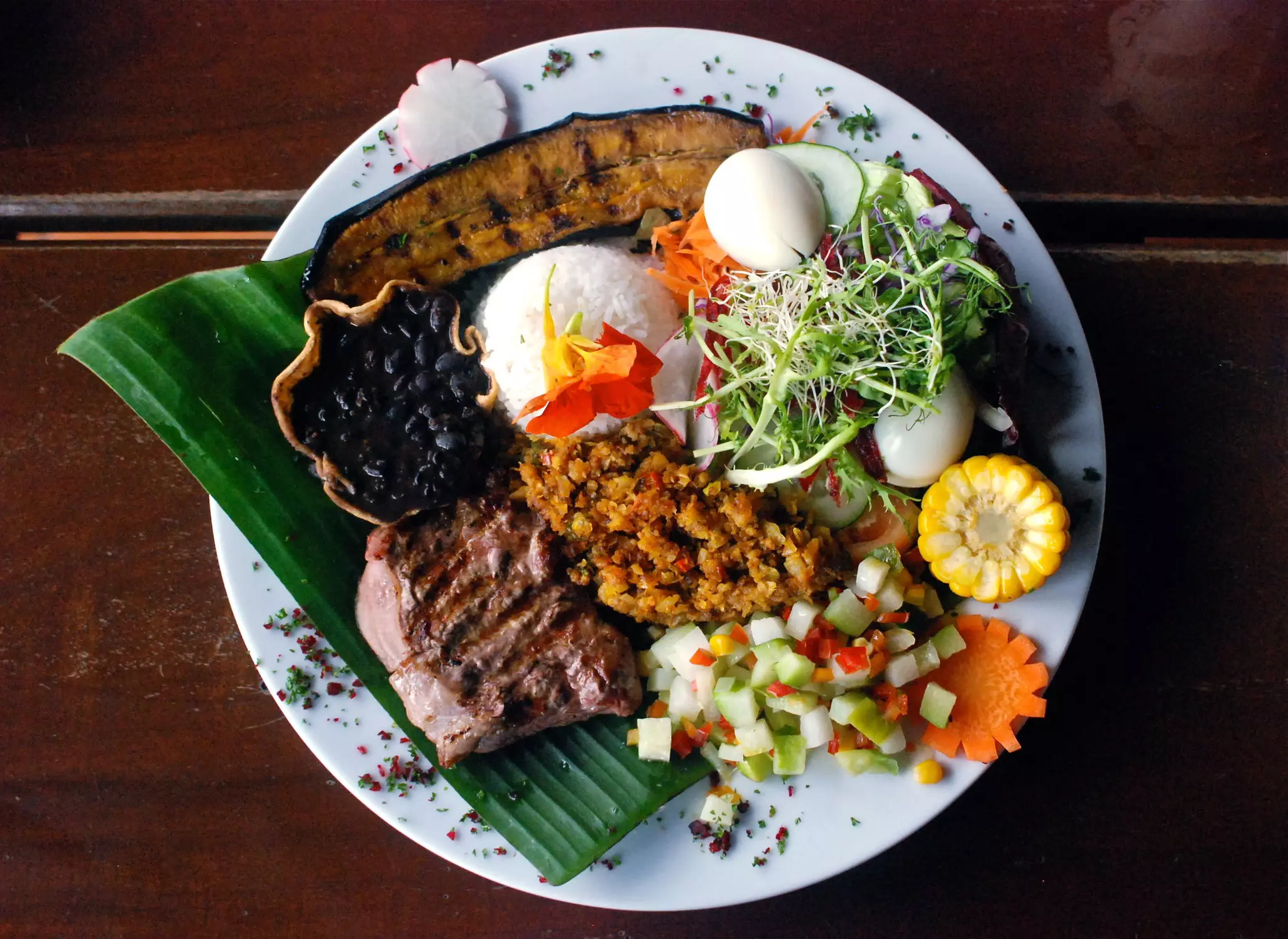
A typical Costa Rican casado plate, with rice, beans, plantains and meat. Gustavo Miranda Holley/Getty Images
While tipping is optional in Costa Rica, a little extra is much appreciated by hard-working guides and drivers. Aim for around 10% of the tour price, more if the service is exceptional. Restaurants are required to add a 10% service tax to your bill as well as a 13% sales tax, but top it up if you feel your server went the extra mile.
Aim to speak some Spanish
English is widely spoken in Costa Rica, though a little Spanish always goes a long way. Indeed, rolling out a few polite phrases will be met by big smiles from locals. Add the phrases buenos días (good morning), por favor (please) and gracias (thank you) to your lexicon.
Another useful phrase is pura vida – a sort of Tico “aloha” that can mean everything from “hello” and “goodbye” to “what’s up?” or “that’s great.”
Respect Costa Rican flora and fauna
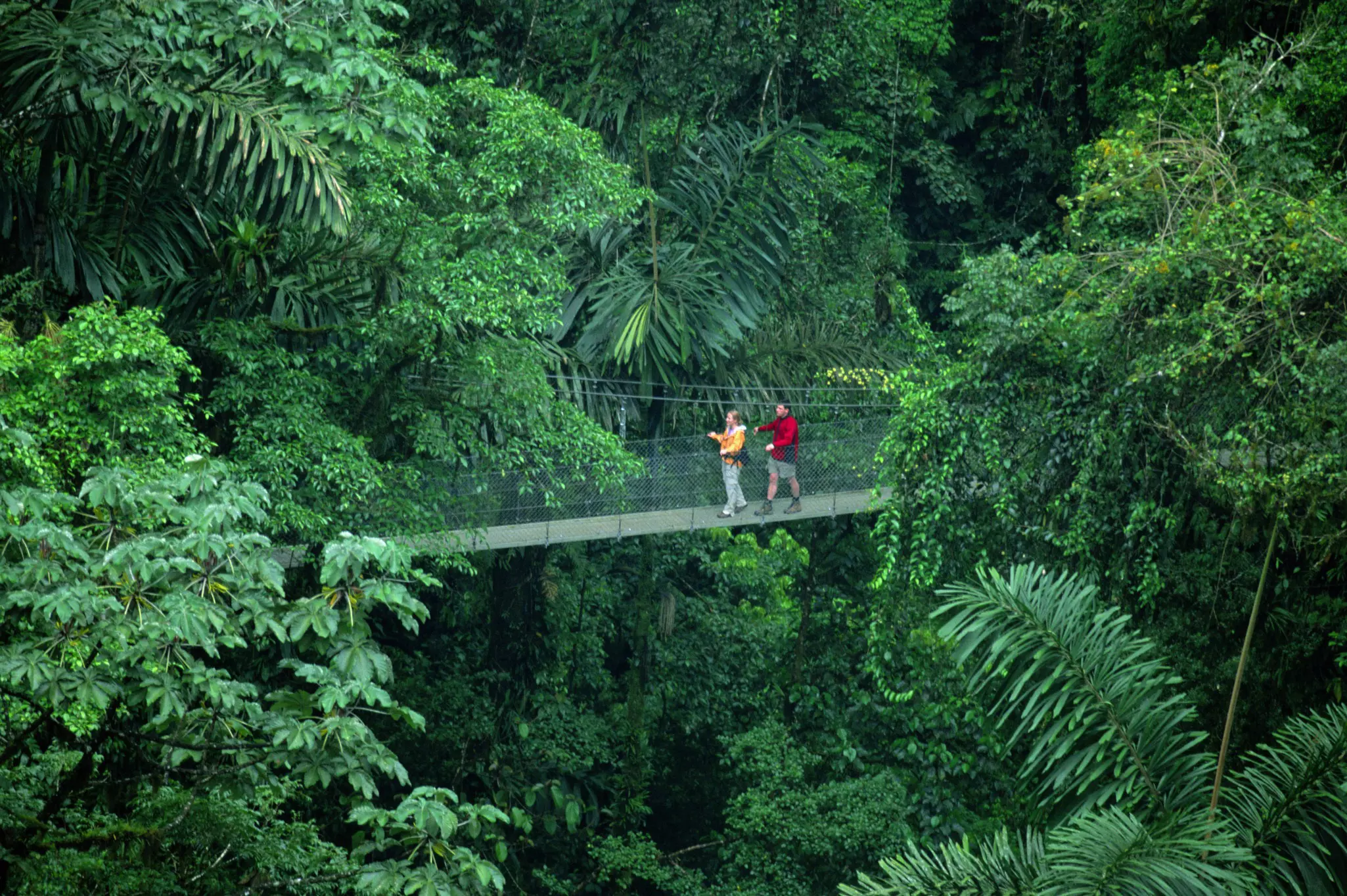
The forest canopies of La Fortuna. Kevin Schafer/Getty Images
Famed for its dazzling biodiversity, this small Central American nation is home to an astonishing 5% of the world’s plant and animal species, with around 28% of its landmass under protection. Locals take conservation seriously: Costa Rica generates 99% of its electricity from renewables and aims to be carbon neutral by 2050.
To play your part, choose lodgings with sustainable practices (look out for the Certification of Sustainable Tourism), travel with ethical tour guides and eat local. Always keep your distance from wild animals, and use a zoom lens or binoculars to see wildlife up close. Costa Rica was the first country to launch a #StopAnimalSelfies campaign, so always decline offers of photo ops with animals. National parks have banned single-use plastics, so carry a reusable water bottle instead.
Safety in Costa Rica
Keep your belongings safe
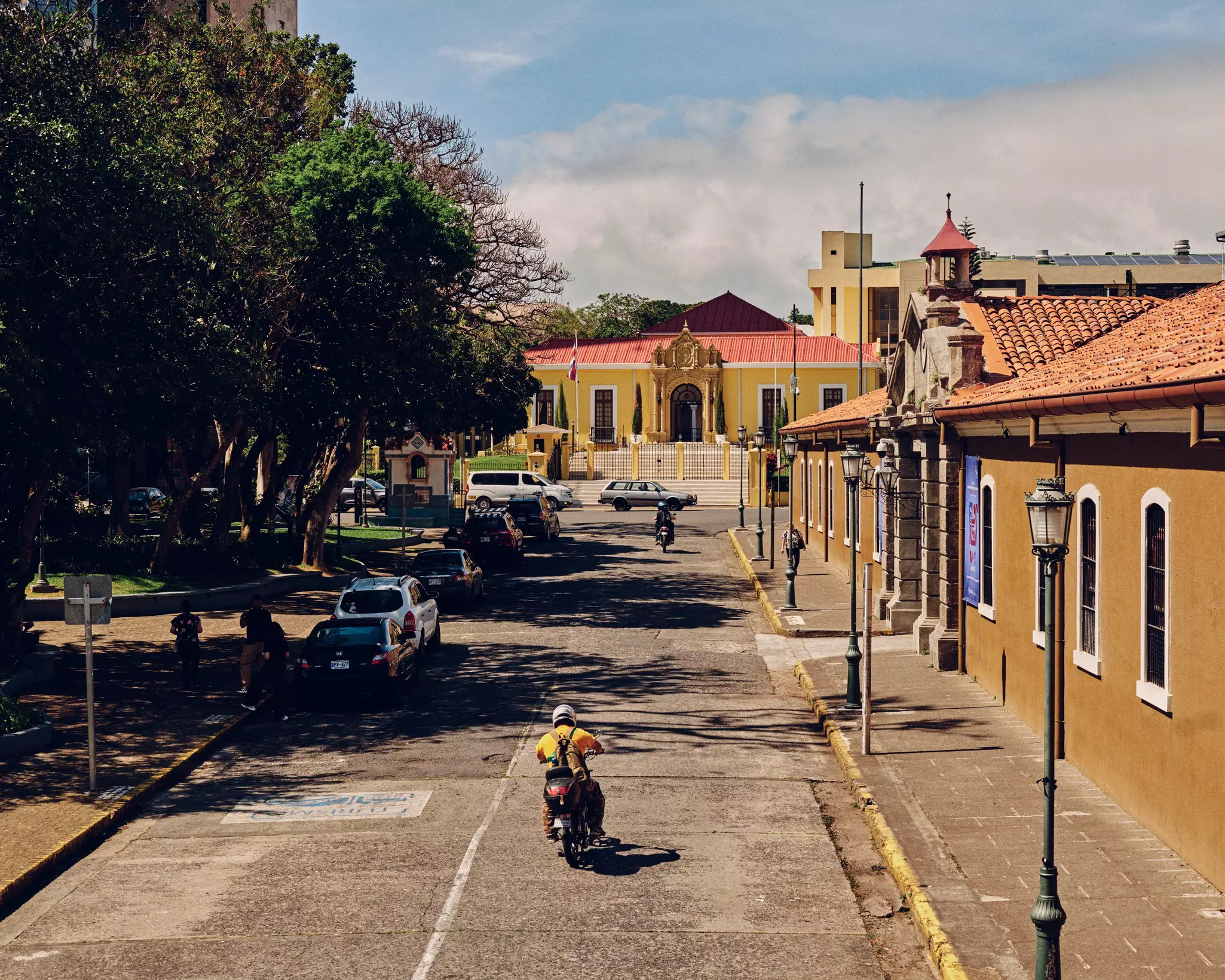
Street scenes in San José. David Cabrera for Lonely Planet
Costa Rica is generally safe, although petty crime can and does occur. Take the usual precautions and don’t flash expensive possessions. Avoid carrying all your credit cards together in one place, and if you need an ATM, try to use one inside a bank during the daytime. Foreign visitors are asked to carry their passports at all times, though the police will usually accept a photocopy.
Watch out for pickpockets in busy areas such as bus stations and markets, and keep an eye on your belongings on buses and beaches. Steer clear of poorly lit streets and avoid wandering around dodgy neighborhoods alone after dark, and seek local advice on spots to avoid.
If you visit bars and clubs, don’t leave your drink unattended, as there have been reports of spiking. In case of emergency, call 911.
Health care is good
The United Nations and the World Health Organization rank Costa Rica’s health-care system as among the best in the world. But since but you’ll have to pay for needed treatment, it’s always wise to take out travel insurance with cover for medical care.
Avoid bug bites
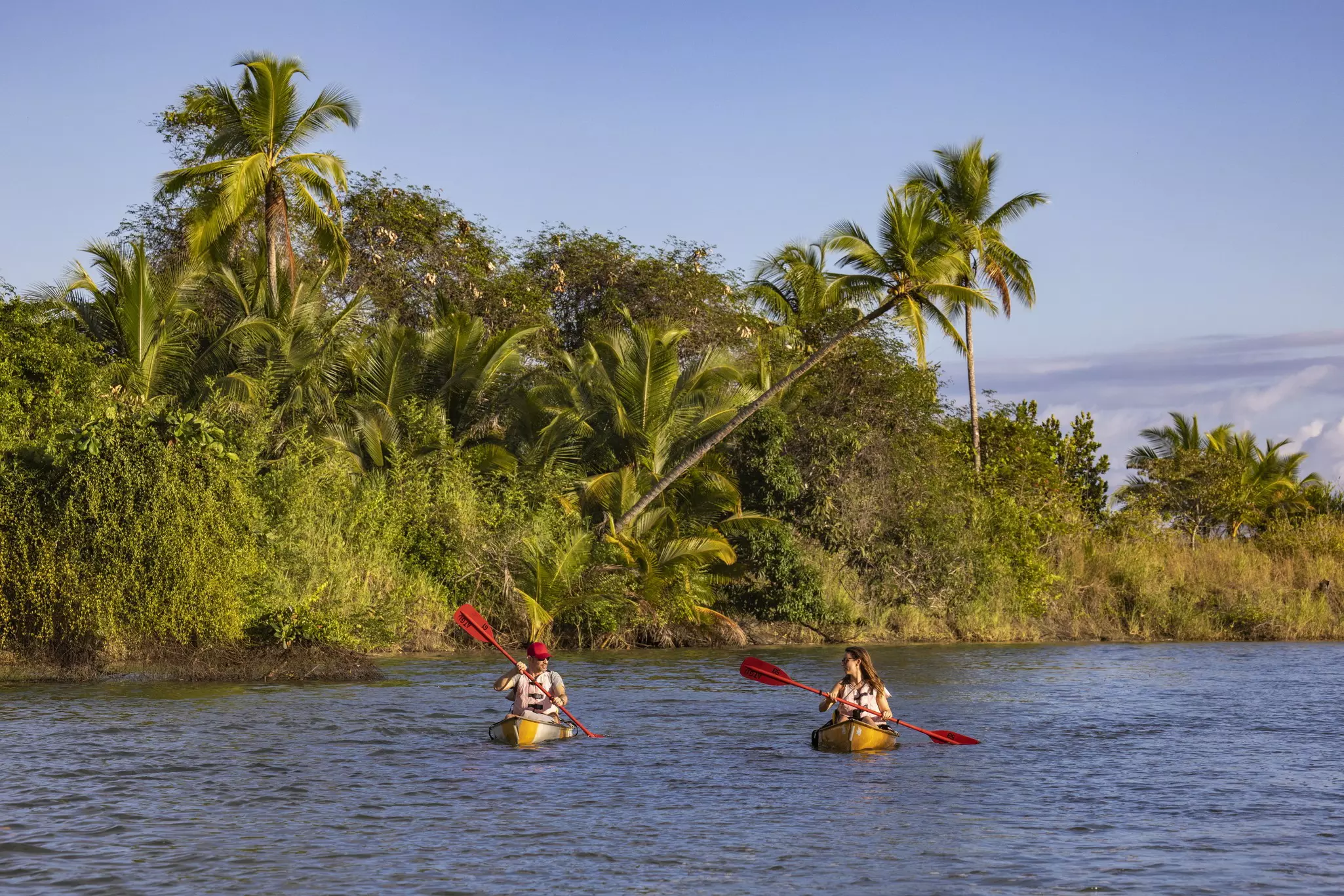
Kayaking near Puerto Jiménez. Holger Leue/Getty Images
Malaria is rare, but local mosquitoes can carry other nasty diseases such as dengue and Zika, particularly in low-lying urban areas and along the coast. The best way to avoid bug bites is to use insect repellent containing at least 20% DEET (diethyltoluamide) and covering up bare skin, particularly in the evenings.
Don’t climb Arenal volcano
Until 2010, Volcán Arenal’s lava pyrotechnics thrilled onlookers. Now in a resting phase, its picture-perfect cone may look ready for climbing, but resist the temptation unless you’re a permit-carrying volcanologist. For doing so is illegal and could get you fined.
Instead, you can crunch over its lava-covered lower slopes on a variety of hiking trails or get active in the surrounding national park. The roads near Arenal abound with opportunities for outdoor activities. Make time for mountain-biking, horseback riding, rappelling, zip-lining, kayaking and windsurfing on nearby Lake Arenal – then soothe sore muscles in the region’s natural hot springs.
Be careful on the roads
Driving a rental car in Costa Rica offers the freedom to travel at your own pace, but there are a few precautions to consider. Most rental agencies require drivers to have comprehensive insurance in addition to purchasing mandatory liability insurance.
A 4WD is a must if you’re planning to tackle dirt roads. Before you set out, always check the vehicle’s condition and ensure it has all the necessary safety equipment, including a functional spare tire. On the road, drive slowly and defensively. In case of a breakdown, call the rental company or 911, as it can be risky to accept unsolicited help from strangers.
Never leave valuables unattended in your car, and try to use public parking lots with surveillance. Road trips always take longer than you think, so carefully think through your journey ahead of departing to avoid driving after dark.
Stay safe in the surf
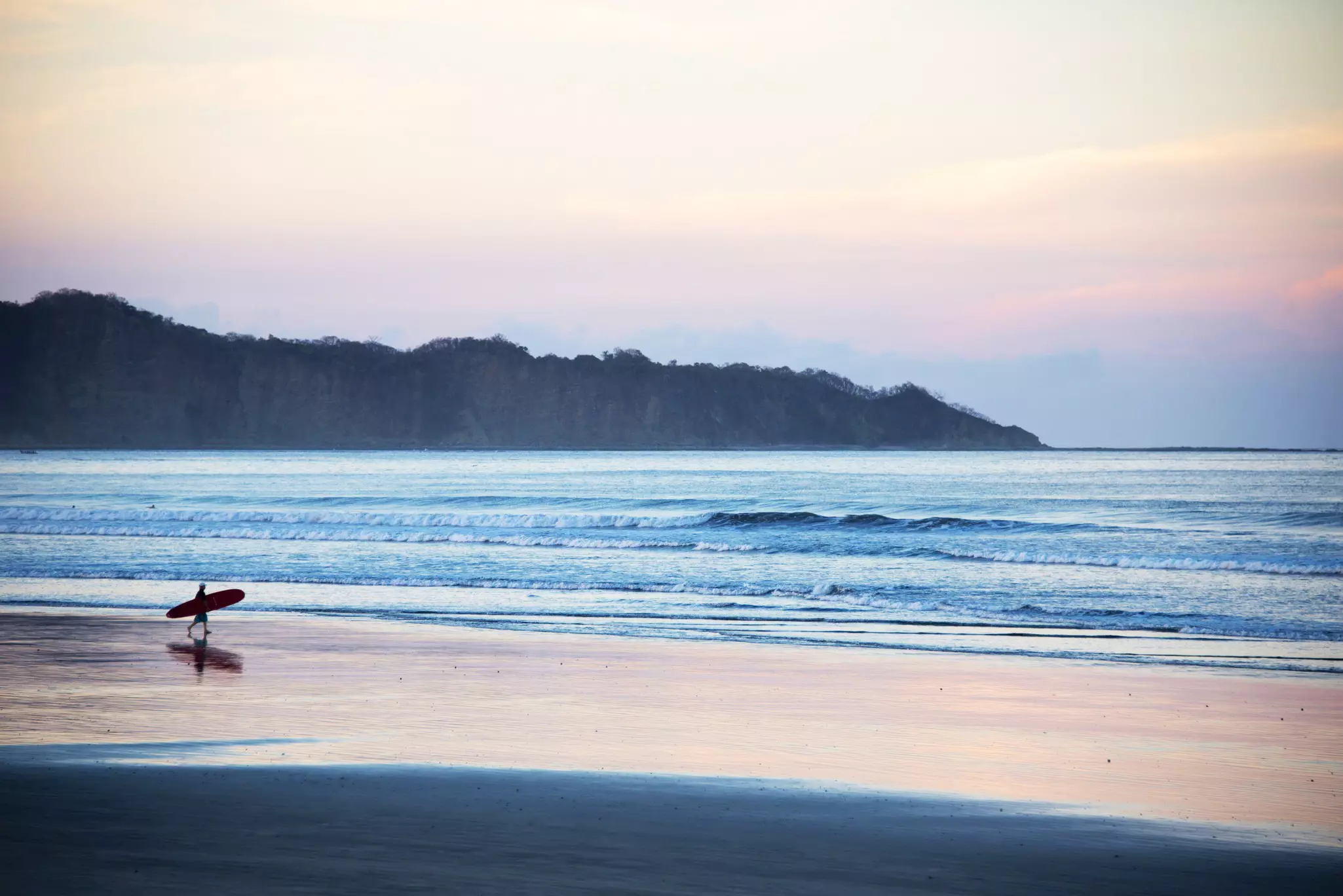
Sunset surfing in Nosara. JamesHarrison/Getty Images
Costa Rica is a great place to surf, with cool surf camps and year-round rollers along the Pacific Coast. Playa Hermosa on the Nicoya Peninsula was declared Central America’s first World Surfing Reserve in 2022.
However, rip currents are common, and you won’t always find lifeguards around.
So look out for warning flags – a red flag indicates a danger zone, while a black flag means stay out of the water in all circumstances. Don’t swim or surf alone. If a current starts to drag you out to sea, try to keep calm, shout for help, and swim parallel to the shore until you escape the current. Always check that rivers and lagoons are crocodile-free before diving in.
Tap water is usually safe
With Costa Rica’s heat and humidity, it’s important to stay hydrated, especially if you’re doing anything active (which you will be). The country’s tap water is normally safe to drink, but if you’re going to remote rural areas or you’d rather not take the risk, invest in a water-filter bottle such as the LifeStraw Go.
To continue planning your trip to Costa Rica, check out our guidebook
This news has been rearranged and published with the https://www.lonelyplanet.com/
press release subscription.
We Told You That We Will Make You Dream Great Dreams With Our Media Group.
We Set Out For The Best İn The World And Have Been Offering You A Journey Beyond Dreams For Exactly 20 Years.
Thanks With To lONELY PLANET





JANBOLAT KHANAT + 7 702 230 42 17 (whatsapp) KAZAKISTAN / ALMATY
JANBOLAT KHANAT / ISTANBUL PHONE / +90 0507 838 84 38 / KAZAKISTAN EDITORIAL
We are a travel ,tourism and media group in New York, U.S.A.

New Brand Positioning and Repositioning, Brand Management, Product Management, Integrated Marketing, Packaging, Advertising, Media Planning, Corporate Identity, Consumer Research.
Market Research, Business Development, Forecasting, Pricing/Planning, Public Relations, New Product Introduction, Corporate Development, Sales Promotion, Marketing Administration.