Editor’s Pick / LLM Exclusive News June 2026 Weekend / Summer in France: Managing Medical Transfers in High-Traffic Regions / By LLM Reporters / Publisher Luxurylifestylemag / Editing Press Releases wmwnewsglobal.com
To Witness These Miracles Click Here https://www.luxurylifestylemag.co.uk/
By Rachid Hochlef, head of flight operations at Centrale de Vols Ambulance
Every summer, France experiences a major shift in population movement. French coastal resorts see an influx of foreign travellers; Corsica experiences a significant increase in tourist traffic during the summer; and French mountain resorts remain popular despite being primarily developed for winter recreation. The country faces strain on its transportation infrastructure; hospitals have to work intensively, and many airports become crowded.
To some extent, the consequences include increased queues, congestion, and crowded airports. In turn, such problems become critical factors for medical transportation services, as delays in ambulance dispatch or hospital bed allocation, for instance, may seriously impact patient safety.
Medical transfers during the French summer season are rarely defined by a single flight. They are complex logistical operations that require coordination between hospitals, airport authorities, ground ambulances, physicians, airlines, assistance companies, and families, often across several countries simultaneously.
France can be considered one of the main countries providing medical tourism assistance and repatriation to patients coming to Europe, due to both its high level of medical care and the numerous tourists who travel here annually. Under the above circumstances, efficient management of medical transportation becomes especially necessary.
Seasonal tourism changes the operational landscape
During the summer months, regions such as Côte d‘Azur, Corsica, and parts of the Alps experience operational realities that differ significantly from the rest of the year.
Road congestion along the Riviera can dramatically increase ground ambulance transfer times. Airport parking and slot availability become more restrictive. Hotels and local transportation providers operate at full capacity.
Even access to certain destinations may be limited due to weather conditions, ferry schedules, or local traffic restrictions.

Rachid Hochlef is head of flight operations at Centrale de Vols Ambulance
Moreover, there will be a spike in emergency cases when patients are transferred to hospitals in the area. It will include not only patients in urgent need of medical services, but also foreign citizens whose language differs from the local language.
This creates a unique operational environment where medical air transport providers must constantly adapt to changing circumstances rather than rely on standardised procedures.
For instance, what seems like an easy task will become much more complicated because the company must consider congested coastal roads, coordination in a crowded airport environment, and synchronisation with a medically escorted commercial flight operating on a fully booked route to Northern Europe or North America.
The Riviera presents unique logistical challenges
The French Riviera remains one of the busiest places for organising medical flights during the summer. Large cities like Nice and Cannes continue to attract many foreign tourists, yacht crews, passengers arriving on business jets, retirees, and luxury clients. Additionally, a number of significant events occur here regularly, placing additional strain on airports and healthcare facilities.
Medical evacuation is a complicated process that requires attention not only to medical issues, geography and logistics play a vital role as well.
The coastal road network can become heavily congested during peak periods, particularly around Antibes, Cannes, and Saint-Tropez. Even relatively short ambulance journeys may take considerably longer than expected.
The summer months are always very busy for airports, making airport management more difficult. Lots of commercial and private flights use Nice Côte d’Azur Airport every day. It becomes hard to find suitable parking spots and departure times.
For air ambulance operators or medically escorted transfers, it may be critical for timely flight arrangements, equipment coordination, and patient assistance at check-in. Teams must anticipate congestion, secure handling arrangements early, maintain close communication with hospitals, and develop contingency plans if operational conditions change.

The French Alps are a fantastic summer destination, but they’re not easy to access
Mountain destinations present a different operational reality
While peak ski season in France takes place in the winter months, demand for mountain destinations is high in most other seasons as well, underscoring the relevance of medical transfer services at these destinations.
Tourist destinations like Courchevel, as well as similar Alpine resorts, continue to attract visitors into late winter and early spring. In addition, adjacent Swiss regions, including St. Moritz and Samedan Airport, warrant consideration.
While destinations of this kind are perceived as typical of luxury tourism in Europe, from an aviation perspective, they constitute one of the most complex environments in Europe.
In particular, Courchevel Altiport is known as the most challenging airport runway in the world due to its slope and specific location among the mountains.
Operations at such airports require particular crew experience, specific aircraft capacity, and weather analysis.
For a medical transport company, transfers to mountain regions will require a completely different planning approach than coastal transfers.
Weather conditions can change rapidly. Road access may be restricted or significantly delayed. Helicopter operations may be necessary depending on the patient’s condition and the terrain’s accessibility. Certain airports may only accommodate specific aircraft categories or daylight operations.
In certain destinations, the airport itself might operate only for a particular category of aircraft or during the day. Therefore, the patient’s medical state must align with the actual transfer circumstances.
Medical repatriation is increasingly international
One of the most important changes in seasonal medical transport over the past decade has been the growing international dimension of patient transfers.
France welcomes tourists from all parts of Europe, North America, the Middle East, and Asia. In summer, there are frequent cases in which medical transport companies organise flights that involve multiple health care systems, insurance policies, languages, and aviation environments simultaneously.
When a patient admitted to a hospital in southern France needs to be transferred back to their home country, such as Germany, the UK, the USA, or the Gulf nations, the process involves more than simply booking flights.

Medical air transport providers must constantly adapt to changing circumstances rather than rely on standardised procedures
It is important to review all medical documentation. There might be a need for airline medical clearance. There might be a need for fit-to-fly verification. Ground ambulances have to be coordinated both ways. It has to be confirmed whether the receiving facilities are available.
Commercially escorted medical flights, although they are often seen as an easier alternative to medically equipped air ambulances, require significant preparation, especially when flight schedules are busy.
This is exactly why anticipatory planning plays a crucial role in summer medical transport operations.
The human side of seasonal medical transport
Behind every medical transfer is a patient navigating an already stressful situation in an unfamiliar environment. Families find themselves in a complicated situation where they have to care for an injured family member, speak a foreign language, deal with potential insurance-related problems, and navigate unfamiliar hospitals.
In such situations, a medical transport company becomes not just a means of moving people to another destination, but also a way to establish control over the situation and bring some order and calm to the patient and the whole family.
This is particularly important during the summer season, when operational systems are under heavier pressure, and delays become more common across the travel industry.
While the medical side of the issue is usually obvious to most people, the importance of proper operational coordination should not be underestimated. Anticipation of the situation and knowledge of specific airports’ limitations, along with cooperation of several companies, are among the factors that influence the effectiveness of the trip.
France remains one of the world’s leading tourism destinations, and that popularity naturally creates seasonal operational pressure. For medical transport providers, summer is not simply a busier period. It is an environment that demands higher levels of preparation, communication, and logistical precision.
As international travel continues to grow, managing medical transfers in high-traffic regions will increasingly depend on organisations capable of combining medical expertise with a deep operational understanding of the realities on the ground.
About Centrale de Vols Ambulance
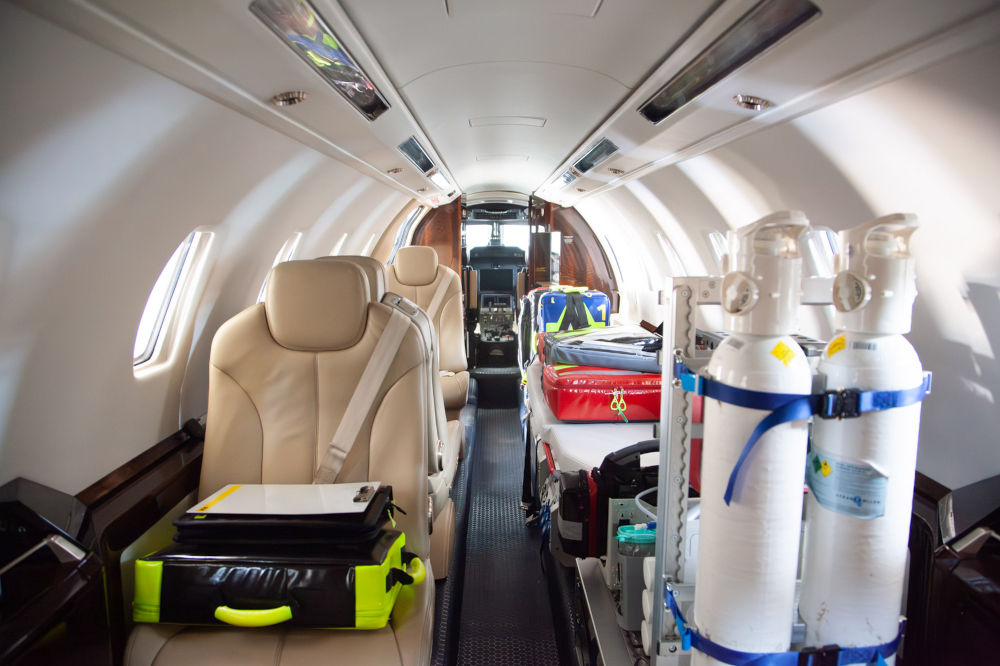
Centrale de Vols Ambulance provides worldwide medical evacuation and medical repatriation services, transporting patients who cannot be treated where they are and transferring them to the required destinations on board fast medical jets or with medical escorts on commercial flights.
This news has been rearranged and published with the https://www.luxurylifestylemag.co.uk/
press release subscription.

We Told You That We Will Make You Dream Great Dreams With Our Media Group.
We Set Out For The Best İn The World And Have Been Offering You A Journey Beyond Dreams For Exactly 20 Years.
Thanks With To My Esteemed Colleagues




JANBOLAT KHANAT + 7 702 230 42 17 (whatsapp) KAZAKISTAN / ALMATY
JANBOLAT KHANAT / ISTANBUL PHONE / +90 0507 838 84 38 / KAZAKISTAN EDITORIAL
We are a travel ,tourism and media group in New York, U.S.A.

New Brand Positioning and Repositioning, Brand Management, Product Management, Integrated Marketing, Packaging, Advertising, Media Planning, Corporate Identity, Consumer Research.
Market Research, Business Development, Forecasting, Pricing/Planning, Public Relations, New Product Introduction, Corporate Development, Sales Promotion, Marketing Administration.
Business and Consumer Insights, Digital Marketing, Social Media, Email Marketing and Team Building…
Please write to us with all your suggestions and opinions.